Modern Network Management: Improving Connectivity and Billing Across East Africa
Reliable internet connectivity has become an important part of daily life for businesses, educational institutions, hospitality providers, and community networks across East Africa. As the number of connected users continues to increase, network operators need practical ways to manage access, monitor usage, control bandwidth, and organize customer accounts. A well-designed hotspot billing system Uganda can help internet providers manage subscriptions more efficiently, while the right MikroTik billing software Kenya can simplify authentication, payment tracking, and service administration. These technologies are becoming increasingly relevant as internet businesses look for scalable solutions that can support growing customer bases without creating unnecessary administrative work.
Network billing is no longer limited to simply collecting payments from customers. Modern operators need to connect billing with network access, user authentication, bandwidth management, and account monitoring. A hotspot billing system Uganda can bring these functions together by allowing providers to create customer accounts, define service packages, manage access periods, and monitor active sessions. Instead of handling customer information through separate spreadsheets or manual records, operators can use centralized software to organize important information and reduce the possibility of administrative errors.
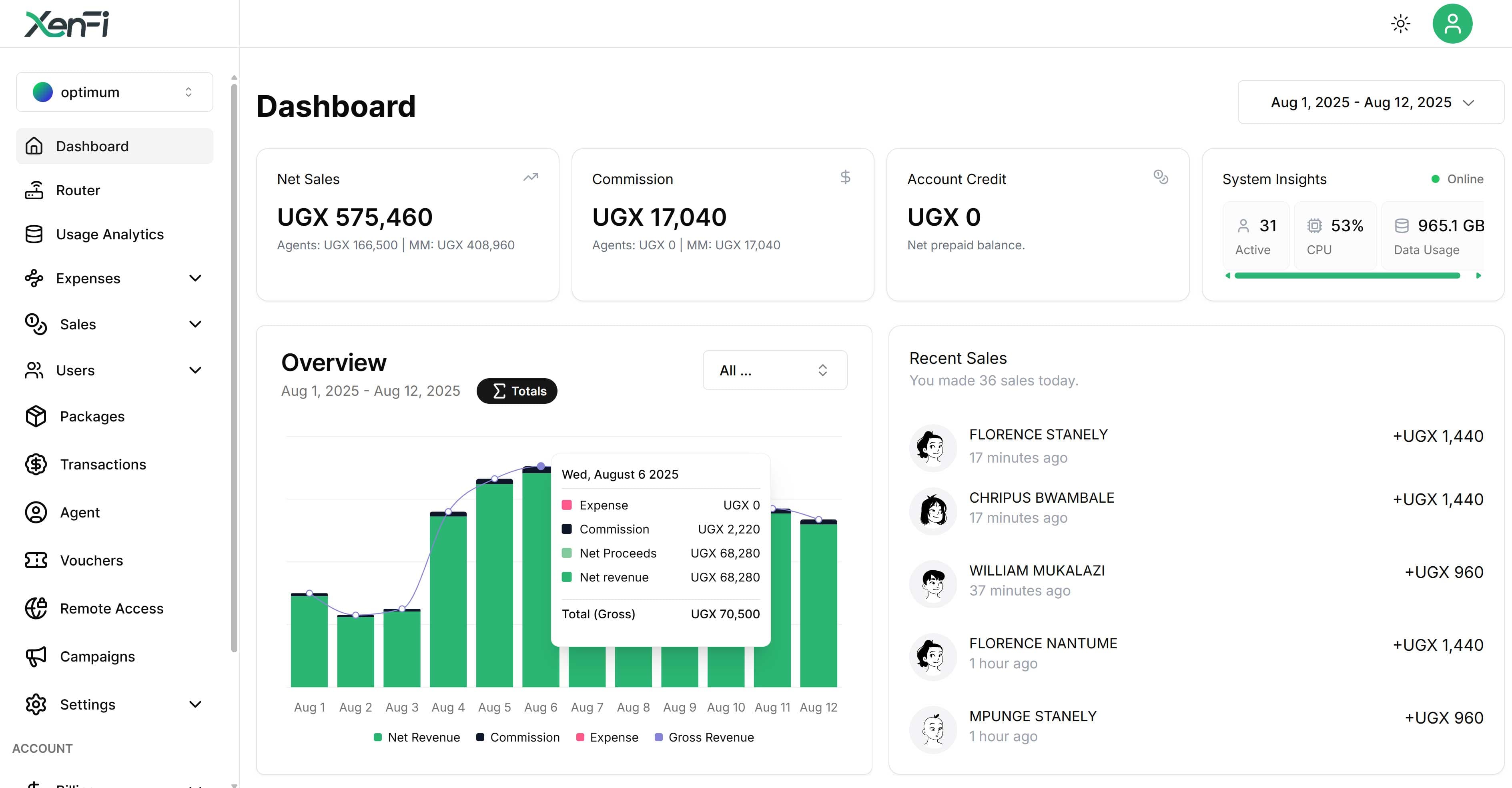
For businesses using MikroTik routers, billing software can provide an additional layer of automation. MikroTik devices are widely used for network management because they offer extensive configuration and routing capabilities. However, managing a large number of customers manually can become difficult as the network expands. MikroTik billing software Kenya can help connect customer management with network policies, allowing providers to create packages based on speed, duration, data usage, or subscription type. This can make everyday operations more structured while giving administrators better visibility into how network resources are being used.
One of the major benefits of automated billing technology is improved customer account management. Internet providers may serve customers who subscribe to daily, weekly, or monthly plans, and each customer may have different access requirements. A centralized billing platform can keep track of account status, subscription periods, payment information, and access permissions. When the system is properly configured, service activation and expiration can become more predictable, reducing the amount of manual intervention required from network administrators.
Bandwidth management is another important consideration for internet providers. Without proper controls, a small number of heavy users can consume a disproportionate amount of available network capacity. Billing and network management solutions can allow administrators to associate specific bandwidth policies with individual packages. For example, a provider can create different service tiers with different download and upload limits. This creates a more organized approach to resource allocation and can help maintain a consistent experience for customers connected to the network.
Payment management is also an important part of running a connectivity business. Customers expect convenient ways to purchase or renew internet services, while providers need accurate records of transactions. Integrating billing processes with customer accounts can make it easier to identify active subscriptions, expired accounts, and pending renewals. Depending on the deployment and available integrations, automated notifications can also remind customers when their service is approaching expiration. This type of automation can save administrative time and provide customers with a clearer understanding of their subscription status.
For network operators in Kenya and Uganda, local market conditions can make flexibility particularly valuable. Internet businesses may operate in offices, hotels, residential areas, campuses, restaurants, public spaces, or dedicated Wi-Fi zones. Each environment can have different customer requirements. A solution that supports configurable packages and access rules allows providers to adapt their services without rebuilding the entire network management process. This flexibility can be especially useful for smaller operators that need professional administration while working with limited technical resources.
Security should also remain a central part of any network billing implementation. Customer authentication, access credentials, session management, and administrative permissions need to be handled carefully. A properly configured system can help ensure that only authorized users receive network access. Administrators should also regularly review passwords, user permissions, router configurations, and software updates. Combining sound security practices with automated billing can help create a more dependable network environment.
Another advantage is the availability of useful operational information. Network administrators can benefit from reports showing customer activity, subscription trends, bandwidth consumption, and payment records. Such information can support better business decisions because operators can identify popular service packages and understand how customers use the network. Over time, these insights can help providers adjust pricing structures, bandwidth allocations, and service offerings according to actual demand rather than assumptions.
Scalability is equally important when selecting a billing solution. A system that works well for a small hotspot should ideally be capable of supporting additional users and locations as the business grows. Centralized administration can make expansion easier by providing a consistent way to manage accounts and network policies. Providers can gradually add new access points, routers, customer groups, or service packages while maintaining a unified management approach.
Choosing the right platform should therefore involve more than looking at billing features alone. Network compatibility, authentication options, bandwidth control, reporting, customer management, security, and ease of administration should all be considered. Operators should also evaluate how well a solution fits their existing infrastructure and whether it can support future expansion. Careful planning before implementation can prevent configuration problems and make the transition to automated management smoother.
For businesses exploring modern network administration, xenfi.net can serve as a point of reference when considering technologies designed around connectivity and billing requirements. The objective should be to create an environment where customer access, network resources, and payment administration work together rather than operating as disconnected processes. With the right approach, providers can reduce repetitive administrative tasks while gaining greater control over their network operations.
As demand for reliable internet services continues to grow, solutions such as a hotspot billing system Uganda and MikroTik billing software Kenya can play an important role in helping providers organize their operations. Automated customer management, bandwidth control, subscription tracking, and payment administration can create a more efficient foundation for growing connectivity businesses. By selecting a flexible system and combining it with strong network security and thoughtful configuration, internet providers can build a management environment that is easier to maintain and better prepared for future customer and infrastructure growth.

Comments
Post a Comment